
DIR Floortime
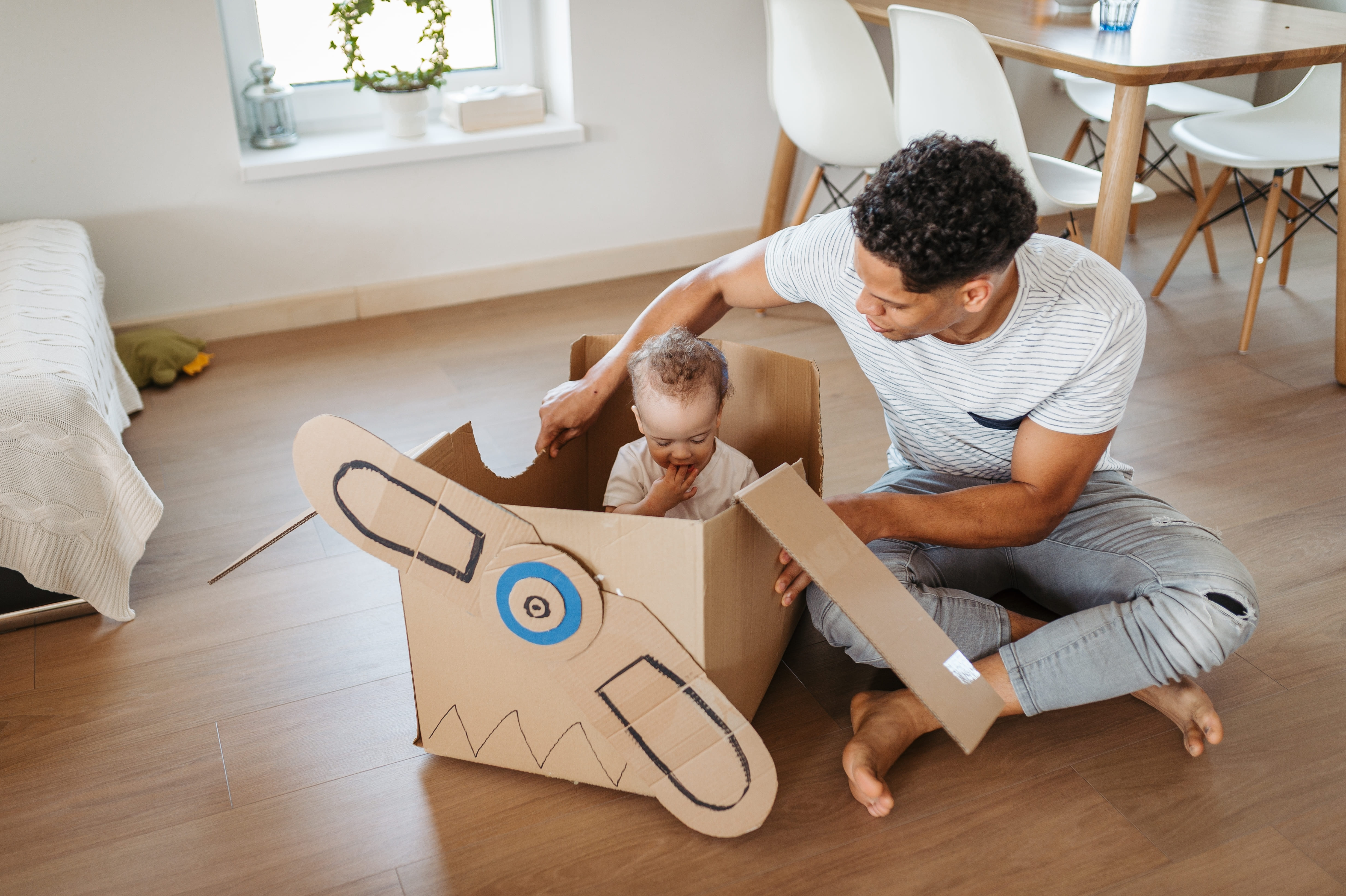

All children have within them the potential to be great kids. It's our job to create a great world where this potential can flourish.
Stanley Greenspan, MD
DIR Floortime
DIR® is the Developmental, Individual-differences, and Relationship-based model. DIR provides a foundational framework for understanding human development and learning, and how each person individually perceives and interacts with the world differently. It outlines the critical role social-emotional development has on overall human development starting at birth and continuing throughout the lifespan. DIR® is rooted in the science of human development and is a pathway to promote healthy development in a respectful manner that builds connections, understanding, love, communication, and engagement.

‘D’ in DIR
The “D” describes development from the perspective of the individual, where they are and where they are headed. Understanding the unique developmental process means allowing space for each person to be respected and guided in their own personal developmental journey.

‘I’ in DIR
The "I" describes the unique ways each person takes in, regulates, responds to, and comprehends the world around them.

‘R’ in DIR
The “R” describes how relationships fuel our development. Humans are social beings and relationships are a key to our development. DIR harnesses the key affective (emotional) aspect of these relationships to promote development.
Research from York University evaluating DIR Floortime indicates that developmentally based, relationship focused intervention, when delivered with parent coaching and consistent implementation, can improve social emotional engagement, reciprocity and symbolic play in young children with developmental differences. The studies emphasize active caregiver involvement, individualized play based interactions, and targeting core capacities (regulation, engagement, relating, and purposeful communication) rather than isolated skill drills; outcomes are strongest when interventions are intensive, sustained, and integrated across home and therapy settings.
Floortime
Floortime (also known as DIRFloortime®) is an approach used to promote an individual's development through a respectful, playful, joyful, and engaging process. It uses the power of relationships and human connection to encourage the development of the capacities for self-regulation, engagement, communication, shared social problem solving, and creative, organized, and reflective thinking and reasoning. It is based on the DIR® model for human development.
- Following the Child's Lead
- Join the child's world and pull them into a shared world in order to help them master each of their Functional Emotional Developmental Capacities.
- Affectively charged relationships are essential for development.
- No two people are alike. Individual differences are the norm not the exception.
- Strength-based model
- Parents are the cornerstone. This is a parent-mediated model.
- A child’s interdisciplinary team and treatment plan are formed based on the child’s individual profile.
- Process is emphasized over content.
- Surface behaviors and compliance are de-emphasized.
- Paying attention to the child’s individual differences
- Helping him expand his world through expanding his experiences.
- Enticing the child to be more imaginative within the child’s natural interests.
- Tuning into the child’s world with admiration and respect for everything he does or says (as long as it’s not hurting himself or others).
- Creating an environment that takes into account the child’s motor and sensory profile so that the child feels regulated and secure (rather than over- or under-whelmed).
- Checking oneself with the constant reminder to be playful and comforting (not demanding or annoyed).
The DIRFloortime® approach is based on the fact that emotion is critical to the growth of the mind and brain. Following the child's lead means following their emotions. What is of interest to your child? What gives them pleasure? Whatever it is, your child's interest is your clue, your window into what they are feeling.
Floortime is not just simply following the child’s lead, that is only what gets into the child’s emotional world, helps the child feel pleasure so the child want to relate to us, want to share attention with us, and want to learn from us. Then we create challenges that help the child move up to higher levels of relating, communicating, and thinking.
Child Development and the Functional Emotional Developmental Capacities (FEDCs)
The first six functional emotional developmental capacities (formally also described as stages, milestones, or levels) lay a core foundation for all our learning and development. Children often develop these capacities relatively easily. However, children with neurodevelopmental differences may struggle, not necessarily because they can’t develop these capacities, but because their neurodevelopmental and other biological differences make it more difficult.Appropriate emotional experiences during each of the developmental capacities help develop critical cognitive, social, emotional, language, and motor skills, as well as a sense of self.
Capacity 7
Multiple Perspectives (earliest emergence 4 to 6 years of age)
Capacity 8
Gray Area Thinking (earliest emergence 6 to 10 years of age)
Capacity 9
Reflective Thinking and an Internal Standard of Self (earliest emergence around age 9)
References: https://www.icdl.com/
See Our Services
Get in touch at info@therapaeds.com.hk to learn more or discuss how we can support you or your child.