
Neurodevelopmental Therapy
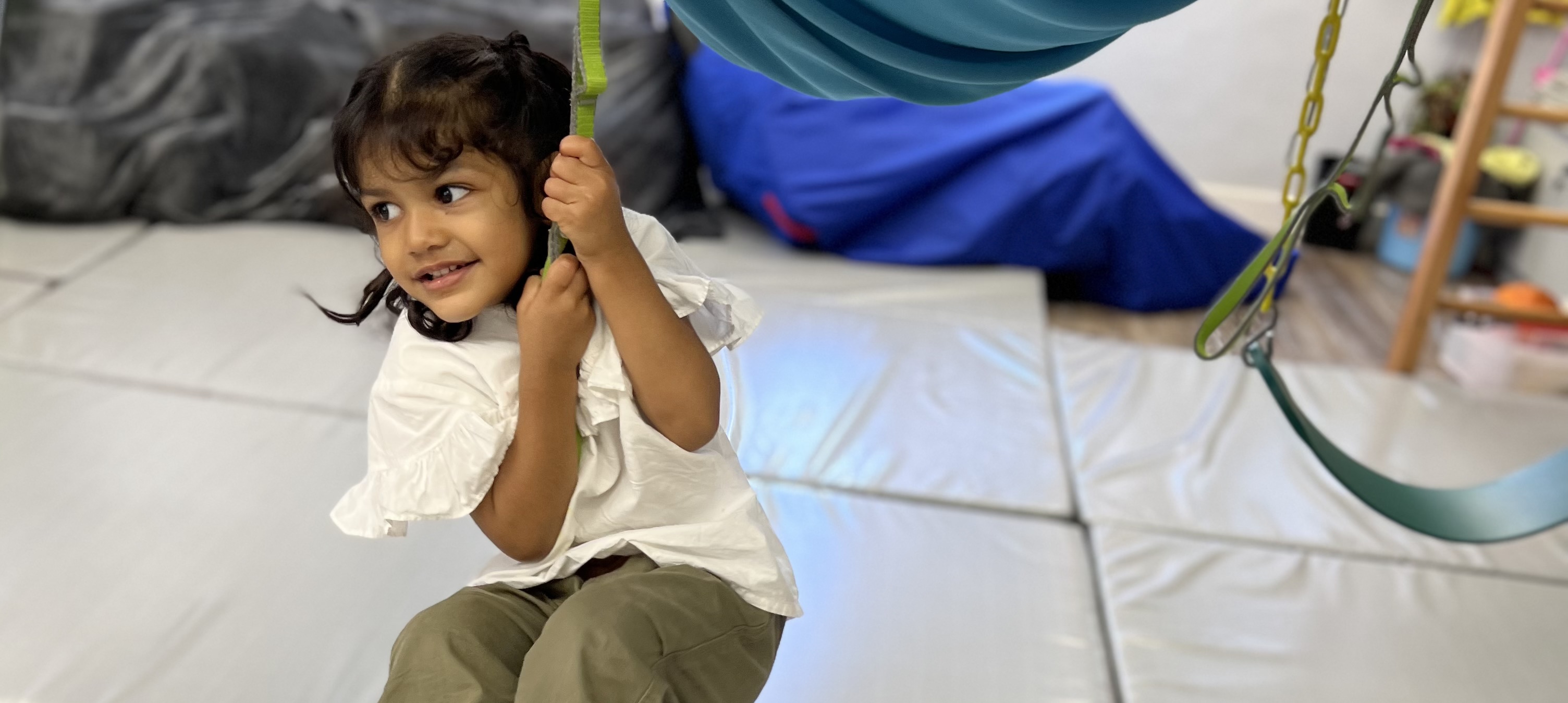

Anything that disrupts the authentic sense of expression of self and the feeling of safety can be coded as traumatic.
Kim Barthel
Neurodevelopmental Approach
Neuro-Developmental Treatment (NDT) is a multi-faceted, interactive practice model used by occupational therapists, physical therapists and speech-language pathologists for patients with neurological diagnoses across their lifespans. It focuses on dynamic patient engagement, continuous evaluation and modification based on comprehensive movement analysis. NDT aims for long-term, positive neuroplastic changes and functional independence for fuller participation in life; and incorporates advanced handling strategies and evidence-informed practices that exceed standard therapy methods. NDT distinguishes itself from traditional therapy approaches through an integrated method that draws from patient strengths while combining functional and impairment-specific interventions.

Differences
People benefiting from NDT are individuals living with conditions that affect movement and sensation including but not limited to cerebral palsy, stroke, and traumatic brain injury.

Motor
NDT helps guide the individual toward more efficient movement utilizing principles of motor development, motor control, motor learning as well as information from other supporting scientific evidence to improve functional abilities.

Facilitation
NDT intervention allows for self-motivation and is adjusted to meet the individual’s needs through physical guidance strategies, verbal cues, and feedback.
Neurodevelopmental/Bobath (NDT) therapy is an approach (not a diagnostic label) used to treat movement, posture and motor control impairments arising from central nervous system dysfunction.
Introduction
Motor development unfolds across the lifespan, beginning with rapid, experience‑driven gains in infancy and early childhood as foundational skills such as rolling, sitting, crawling, walking, fine‑motor coordination which emerge and become refined through play and practice. Through childhood and adolescence, motor skills grow in complexity and are integrated with cognitive and social abilities; adulthood emphasizes maintenance and task‑specific refinement, while older adulthood often shows gradual declines in strength, balance, and coordination due to physiological aging. Throughout life, neural plasticity, activity, and targeted practice shape motor ability, and timely intervention, enrichment, and adaptation can optimize function and participation at every stage.
- Cerebral palsy
- Developmental motor delay / global developmental delay
- Acquired brain injury in children and adults
- Stroke / hemiplegia
- Brain tumors / post‑neurosurgical motor deficits
- Progressive neurological conditions affecting motor control
- Genetic syndromes with motor involvement
- Disorders with significant tone abnormalities, postural instability or impaired motor planning and coordination
- Postural control, alignment and tone management
- Motor planning, praxis and sequencing of movements
- Balance, equilibrium and gait training
- Bilateral integration and coordination (both gross and fine motor)
- Fine motor skills and hand function
- Feeding and oral‑motor skills
- Task-specific training and activity-based practice in meaningful contexts
- Family/caregiver coaching and transfer of strategies to home/school
- Environmental adaptations and assistive technology
Motor Control
Motor Control is defined as the process of initiating, directing, and grading purposeful voluntary movement.
Motor Learning
Motor learning is a complex process occurring in the brain in response to practice or experience of a certain skill resulting in changes in the central nervous system. It allows for the production of a new motor skill.
Principles of Neurodevelopmental Therapy (NDT)
Neurodevelopmental therapy distinguishes itself from traditional therapy approaches through an integrated method that draws from patient strengths while combining functional and impairment-specific interventions.
Application of International Classification of Functioning, Disability and Health (ICF) enablement model
Patient-Centered Examination, Evaluation and Intervention
In-Depth Analysis of Movement Within the Context of Function
Patient-Generated Goals Drive the Intervention Process
Design and Implement a Plan of Care
Therapeutic Handling to Enhance Functional Outcomes
Minimize Long-Term Implications of Compensation
Promote Skill Acquisition and Retention
Evidence-Informed Care Drives Clinical Reasoning
See Our Services
Get in touch at info@therapaeds.com.hk to learn more or discuss how we can support you or your child.