
Children

The Occupations of Children in Paediatric Occupational Therapy
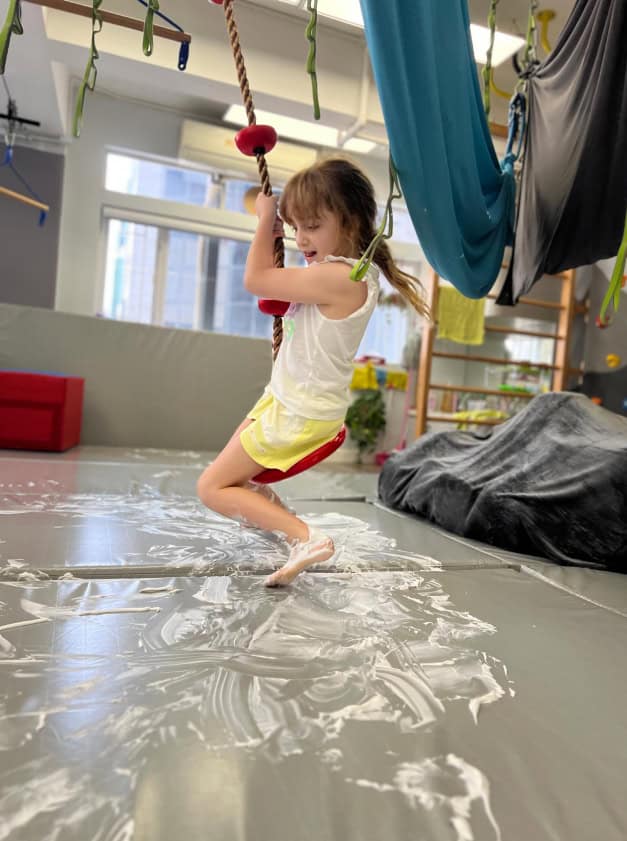
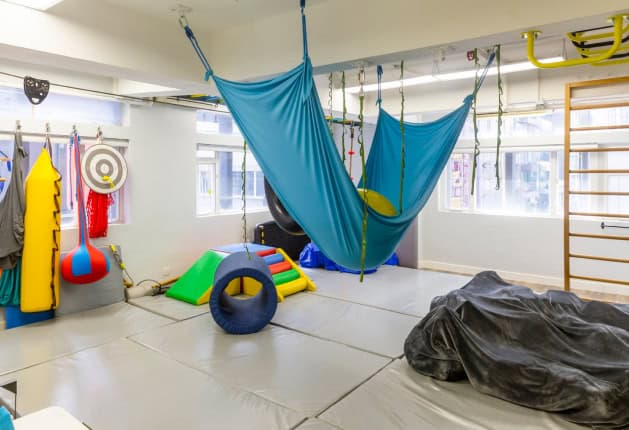
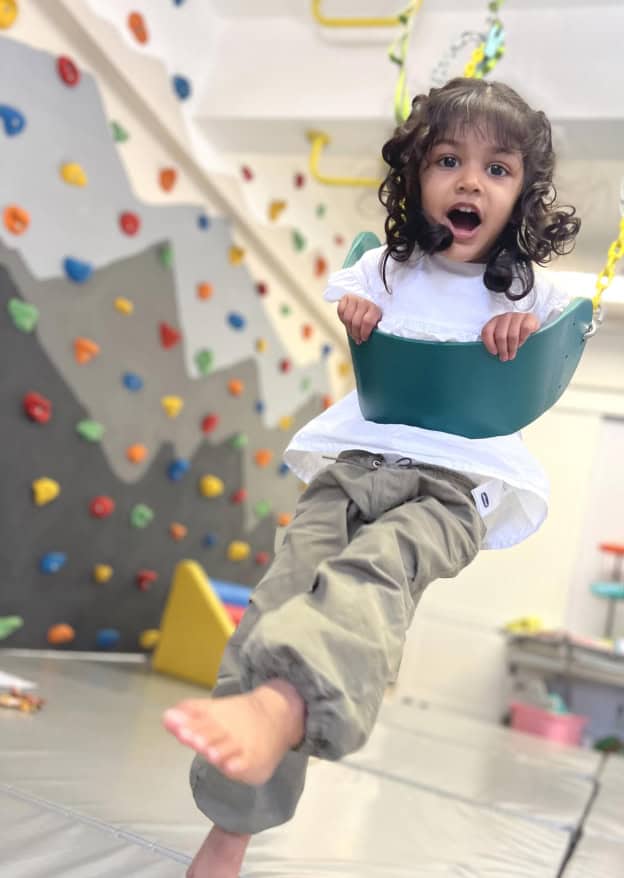
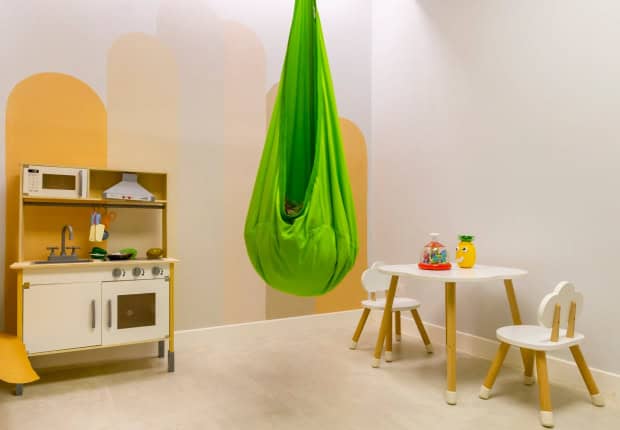
Children learn, play and grow through everyday occupations — the meaningful activities that shape their development, independence and wellbeing. Paediatric occupational therapy helps children develop the skills, strategies and environments they need to participate fully in these occupations at home, school and in the community. Children’s daily activities—such as play, self-care, education, leisure, sleep, and social participation—are at the heart of paediatric occupational therapy. Our interventions aim to support and enhance these vital areas called activities of daily living, helping children develop the skills they need for independent and meaningful engagement in everyday life.
Occupational Therapy Supports include,
but are not limited to:
Sensory Motor
Cognitive and Learning
Social
Activities of Daily Living and Instrumental Activities of Daily Living
Our Evidence-Based Approaches
At Therapaeds, we tailor our interventions to each child's unique needs by utilizing a variety of proven, evidence-based approaches. Our holistic methods are designed to support children in achieving meaningful progress and fostering independence in everyday life.
Together, these tailored approaches enable us to support your child's development comprehensively, fostering growth, confidence, and independence.
This approach helps children process and respond to sensory information from their environment. Through personalized activities, we aim to improve sensory regulation, attention, and coordination—factors that are essential for functioning effectively at home, school, and in play.
The DIR Floortime method emphasizes building strong relationships and fostering emotional, social, and cognitive development through play. It encourages children to engage and communicate naturally, promoting their overall developmental growth in a child-led, supportive environment.
Focused on improving motor control and function, Neurodevelopmental Therapy targets the neurological foundations of movement. It helps children with conditions such as cerebral palsy and developmental delays to build strength, coordination, and independence through activity-based, individualized interventions.
Understanding the impact of trauma on a child's development is crucial. Our trauma-informed approach creates a safe, supportive environment that promotes healing, resilience, and emotional regulation, allowing children to overcome challenges and thrive.
We focus on developing essential skills like dressing, grooming, eating, and toileting, helping children gain independence and confidence in their daily routines, both at home and at school.
Adjusting settings to better suit each child's needs is vital. We guide families and educators in modifying home and school environments—such as changing classroom layouts or sensory spaces—to reduce distractions and support optimal engagement.
Therapy
We integrate meaningful activities and daily routines into therapy sessions, empowering children to develop skills that directly improve their participation in school, play, and family life.
When needed, we recommend and incorporate specialized tools and devices—like communication aids, ergonomic supports, or mobility aids—to help children overcome challenges and maximize their independence.
1. Our Occupational Therapy Session Options
At Therapaeds, we offer a variety of flexible session formats to meet your child's unique needs.
We are dedicated to harnessing evidence-based approaches to support children and families in achieving meaningful, lasting and generalised success across different environments and fostering functional independence in everyday life. Our tailored approaches are designed to meet each child's unique needs and are rooted in the latest clinical research. Our holistic methods aim to empower children to reach their full potential, while supporting families every step of the way.


2. Our Comprehensive Occupational Therapy Assessments
.jpg)
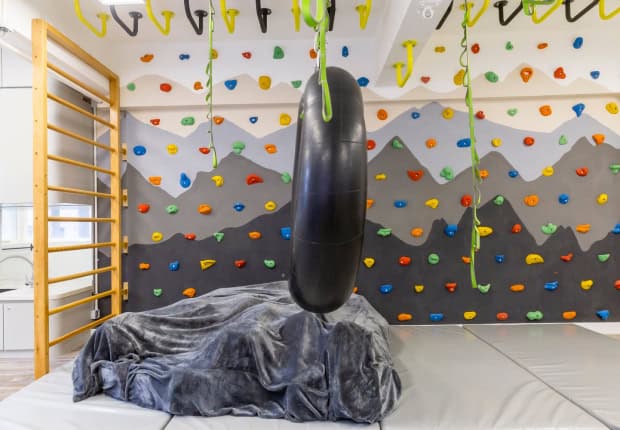
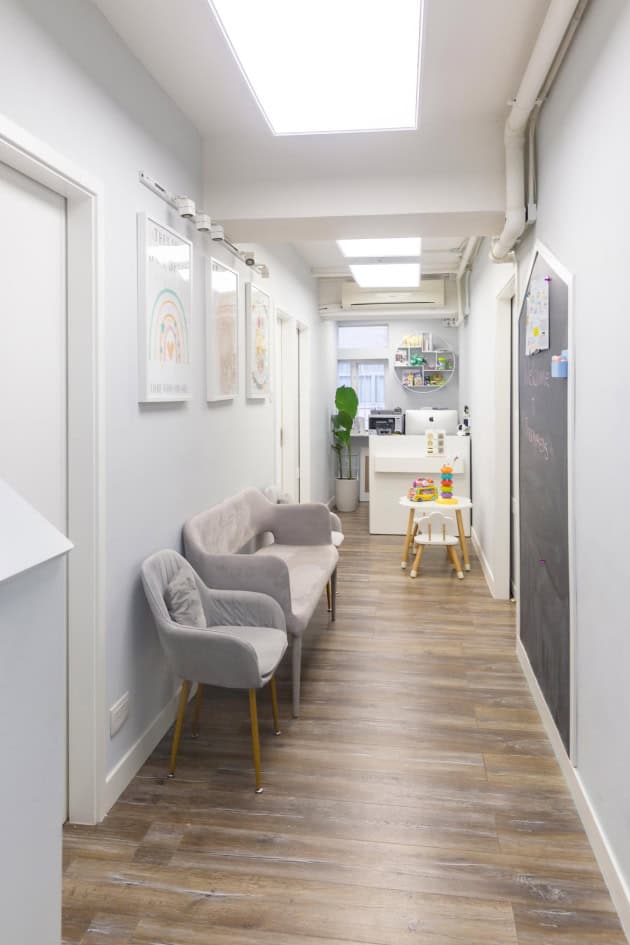
At Therapaeds, we offer comprehensive Occupational Therapy assessments that are both evidence-based and standardized. Our approach combines the use of proven assessment tools with advanced clinical observations to ensure a thorough understanding of each child's unique needs. We conduct the following assessments:
Comprehensive Sensory Integration Evaluation
This in-depth assessment examines the child's sensory processing and integration profile using the gold-standard Sensory Integration and Praxis Test (SIPT). Combined with detailed clinical observations and parent-reported questionnaires, this evaluation offers a holistic understanding of the child's sensory processing abilities essential for functional participation in daily activities.
The subtests are grouped into core categories to pinpoint developmental or learning difficulties:
- Praxis (Motor Planning): Measures the ability to plan and execute both novel and familiar body movements (e.g., copying designs, sequencing movements, and oral-facial motor tasks).
- Sensory Perception: Evaluates the brain’s ability to interpret tactile (touch) and kinesthetic (body awareness) inputs.
- Vestibular & Proprioceptive Functions: Tests balance, gravity perception, and bilateral coordination.
- Visual Perception: Assesses spatial awareness, figure-ground perception, and visual motor integration.
Full Occupational Therapy Evaluation
Our comprehensive Occupational Therapy Evaluation involves a thorough assessment of various developmental areas, including fine and gross motor skills, visual-motor and visual-perceptual skills, pre-writing and writing abilities, sensory processing, activities of daily living, and executive functioning. This evaluation combines the use of standardized tests, detailed clinical observations, and questionnaires to provide a holistic understanding of your child's strengths and challenges.
Our full assessments include a parent feedback meeting to discuss the results and tailored recommendations to support your child's developmental trajectory.
Occupational Therapy Screener
This is a 50-60 minute session involving clinical observation of the child's handwriting, fine and gross motor skills, visual skills, core activation, and regulation.
The Occupational Therapy Screener is an initial screening tool designed to help caregivers determine whether further occupational therapy support may be needed. It relies on clinical observations to provide a preliminary overview of the child's functional skills and challenges.
A brief report summarizing these observations and recommendations will be provided. The screener serves as an excellent starting point to determine the necessity for further occupational therapy support and the areas that the child may require support with.
Handwriting Evaluation
This assessment focuses on assessing fine motor skills and handwriting abilities crucial for academic success. It is ideal for children who experience difficulties with writing, completing exam papers, or require accommodations during assessments.
For children who experience persistent difficulties with handwriting, we conduct specialist handwriting assessments to determine the underlying causes and recommend appropriate interventions or accommodations. The assessment evaluates the following areas:


A written report with recommendations that can be used for exam access arrangements, such as extra time, the use of a laptop, or a scribe, as well as therapeutic strategies to improve handwriting skills over time.
Standardized Tests include, but are not limited to:
(SPM-2)
3. Camps and Group Occupational Therapy Programs
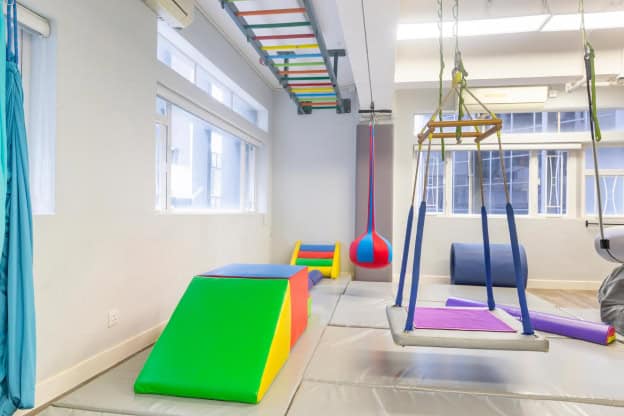
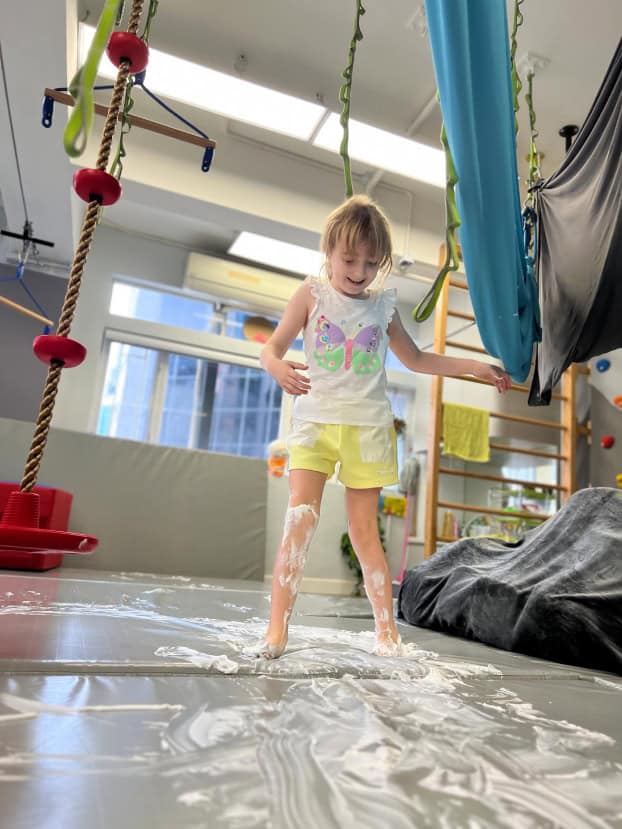
Our occupational therapy groups provide a valuable opportunity for children to connect with peers while actively working on essential skills through engaging activities. These groups are designed to support various developmental areas, including social-emotional development, regulation, fine motor skills, gross motor skills, handwriting, and more. Group therapy can be offered independently or in conjunction with individual therapy sessions, providing a flexible and personalized approach to support your child's growth.
Group occupational therapy sessions create a safe, nurturing, and supportive environment where children can share their skills, encourage each other, and collaboratively develop new competencies. These structured sessions serve as an ideal setting for children to practice transitioning their skills from therapy to real-life situations, fostering generalization and confidence.
Currently we are offering the following
occupational therapy groups:
If you are interested in enrolling your child in one of our occupational therapy groups, please contact us at info@therapaeds.com.hk to receive detailed information about upcoming groups, schedules, and costs.
Monday, Wednesday and Friday
9.00 AM to 10.30 AM
Tuesdays and Thursdays
9.00 AM to 10.30 AM
(7-10 years)
Saturdays
10.00 AM to 11.00 AM
(8-11 years)
Mondays
6.00 PM to 7.00 PM
(4-6 years)
Schedule to be confirmed
Research consistently demonstrates that group therapy can be highly effective for children across all age ranges—from early childhood through adolescence—offering both developmental benefits and social learning opportunities.
Benefits of Group Occupational Therapy include, but are not limited to:
- Learning alongside peers in a social setting
- Enhancing emotional regulation skills
- Supporting the development of self-awareness and confidence
- Building social-emotional capacities and resilience
- Increasing independence in daily activities
- Promoting inclusive practices and fostering a sense of belonging
- Developing social problem-solving skills
- Adaptive responses in a social environment
- Regulation within real social context
We’d Love to Hear From You
If you have a question or would like to know more about working with us, please fill out the form here. Once you have submitted a message to us, a member of our team will be in touch with the next steps.