
Sensory Processing & Integration
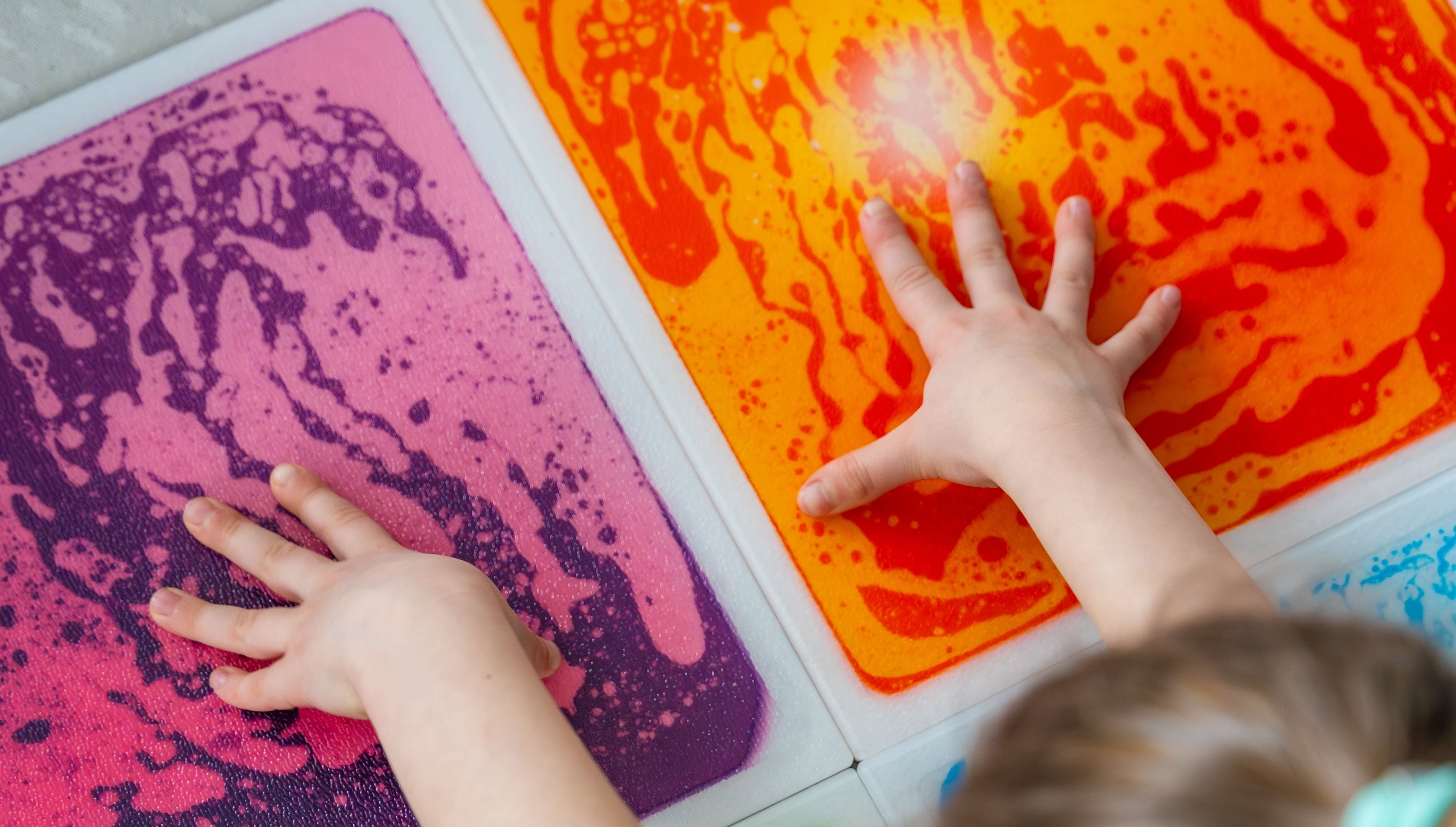

Reading, writing and arithmetic…are extremely complex processes that can develop only upon a strong foundation of sensory integration.
A. Jean Ayres
Sensory Integration
Dr. A. Jean Ayres defined sensory integration as the neurological process that organizes sensations from one's body and the environment, making it possible to use the body effectively within that environment. She proposed that the brain must register, modulate, and organize these inputs to produce purposeful, adaptive behaviors, learning, and emotional regulation.

Sensory modulation
This pattern involves how individuals respond to sensory input. Some may be overly sensitive to stimuli, leading to feelings of overwhelm, while others may seek out more intense sensory experiences.

Sensory based motor
This pattern includes challenges related to the development of functional dynamic-postural control, motor skills and coordination, often impacting how individuals navigate their physical world.

Sensory discrimination
This pattern includes challenges related to the development of functional dynamic-postural control, motor skills and coordination, often impacting how individuals navigate their physical world.
Sensory integration describes how the brain organizes sensations to support engagement in daily occupations; grounded in neuroscience, it offers a framework for understanding how sensory processing shapes behaviour and development. Assessment uses standardized tests, systematic observation, and parent/teacher interviews to identify patterns of sensory integration dysfunction, and intervention employs targeted strategies to enhance information processing, praxis, and participation for individuals, groups, and organizations.
Sensory Processing Differences
Sensory processing differences can occur independently or commonly overlap with other conditions; most notably autism spectrum disorder, ADHD, developmental coordination disorder, language disorders, anxiety disorders, and certain medical or sensory impairments. So sensory signs may both mimic and co‑exist with these diagnoses.
- Sensory regulation & emotional health: Heightened anxiety, irritability, emotional outbursts, difficulty calming; Low tolerance for change, meltdowns.
- Attention, cognition & executive function: Poor sustained attention, distractibility, working memory and task initiation. Slower processing, difficulty with multi‑step tasks and problem solving.
- Motor skills & coordination: Clumsiness, poor balance, praxis-motor planning, handwriting, fine‑motor difficulties.
- Social interaction & communication: Reduced social reciprocity, difficulty reading social cues, withdrawal or inappropriate proximity; sensory triggers reducing tolerance for group settings.
- Learning & academic: Difficulties with classroom participation, following instructions, handwriting, test performance.
- Behavior & coping strategies: Sensory seeking (stimming, movement) or avoidance (withdrawal, refusal); use of maladaptive coping (aggression, shutdown).
- Daily living & self‑care: Challenges with dressing (texture sensitivities), grooming, food selectivity, toileting transitions, sleep routines.
- Feeding & oral‑motor: Picky eating, strong preferences or aversions to textures, gagging, chewing difficulties.
- Academic transitions: Difficulty with transitions (home→school→work).
- Family and Relationships: Increase in sibling conflict, weekends challenging.
- Sensory regulation & emotional health: Heightened anxiety, panic or avoidance
- Motor skills & coordination: reduced coordination impacting daily tasks or sports.
- Work Performance: trouble with meetings, busy open offices, multitasking.
- Social interaction & communication: sensory triggers reducing tolerance for group settings, parties or family gatherings.
- Sleep & arousal regulation: Insomnia, difficulty settling, either hyper‑arousal or under‑arousal impacting daily functioning.
- Behavior & coping strategies: Sensory seeking (stimming, movement) or avoidance (withdrawal, refusal); use of maladaptive coping (aggression, shutdown).
- Safety & environmental tolerance: Reduced awareness of hazards, risky seeking behaviours, intolerance of crowded or noisy environments.
- Participation & leisure: Limited engagement in play, sports, social activities, community events due to sensory barriers.
- Vocational: maintaining employment in sensory‑unfriendly settings, needing accommodations.
- Mental health & wellbeing: Higher risk of anxiety, depression, low self‑esteem due to chronic stress and social and functional limitations.
- Family & relationships: Increased caregiver stress, social isolation, and strained relationships from misunderstood behaviours.
Standardised Tests
Sensory Integration and Praxis Test, Sensory Processing Measure 2, Sensory Profile, The SOSI-M and the COP-R are used in the assessment of sensory integration dysfunction.
Treatment Sessions
Sensory integration therapy sessions are led by trained occupational therapists using assessment‑driven, individualized plans with clear functional goals and measurable outcomes in a safe, well‑equipped sensory gym where activities are selected with therapeutic intent, graded appropriately, and balance child‑led exploration with therapist scaffolding.
8 Sensory Systems
Our sensory systems interact continuously to shape regulation, attention, motor skills, communication, and participation in daily life.
Tactile (touch)
Detects touch, pressure, texture, temperature, and pain via the skin; informs comfort, protection, and fine touch discrimination for tasks like dressing and handwriting
Proprioceptive (body awareness)
Senses joint and muscle position and movement; supports posture, motor planning, force modulation, and coordinated movement.
Vestibular (balance & movement)
Detects head position, motion, and gravity through the inner ear; regulates balance, spatial orientation, arousal, and postural control.
Visual
Processes light, color, shape, motion, and spatial relationships; essential for reading, hand–eye coordination, navigation, and visual motor tasks.
Auditory
Processes sound frequency, volume, and location; supports language processing, attention, and response to environmental cues.
Olfactory (smell)
Detects odors; closely linked to memory, appetite, and emotional responses, and can affect food preferences and safety (e.g., smoke).
Gustatory (taste)
Senses sweet, salty, sour, bitter, and umami; influences eating, food acceptance, and oral motor patterns.
Interoception (internal body signals)
Monitors internal bodily states (hunger, thirst, heartbeat, temperature, bladder fullness, emotional arousal); crucial for self‑regulation and recognizing bodily needs.
Integration of these sensory systems is called sensory integration.
References:
https://www.cl-asi.org/about-ayres-sensory-integration
https://sensoryhealth.org/basic/patterns-or-subtypes-of-differences-sensory-integration-processing
See Our Services
Get in touch at info@therapaeds.com.hk to learn more or discuss how we can support you or your child.