
Dyspraxia
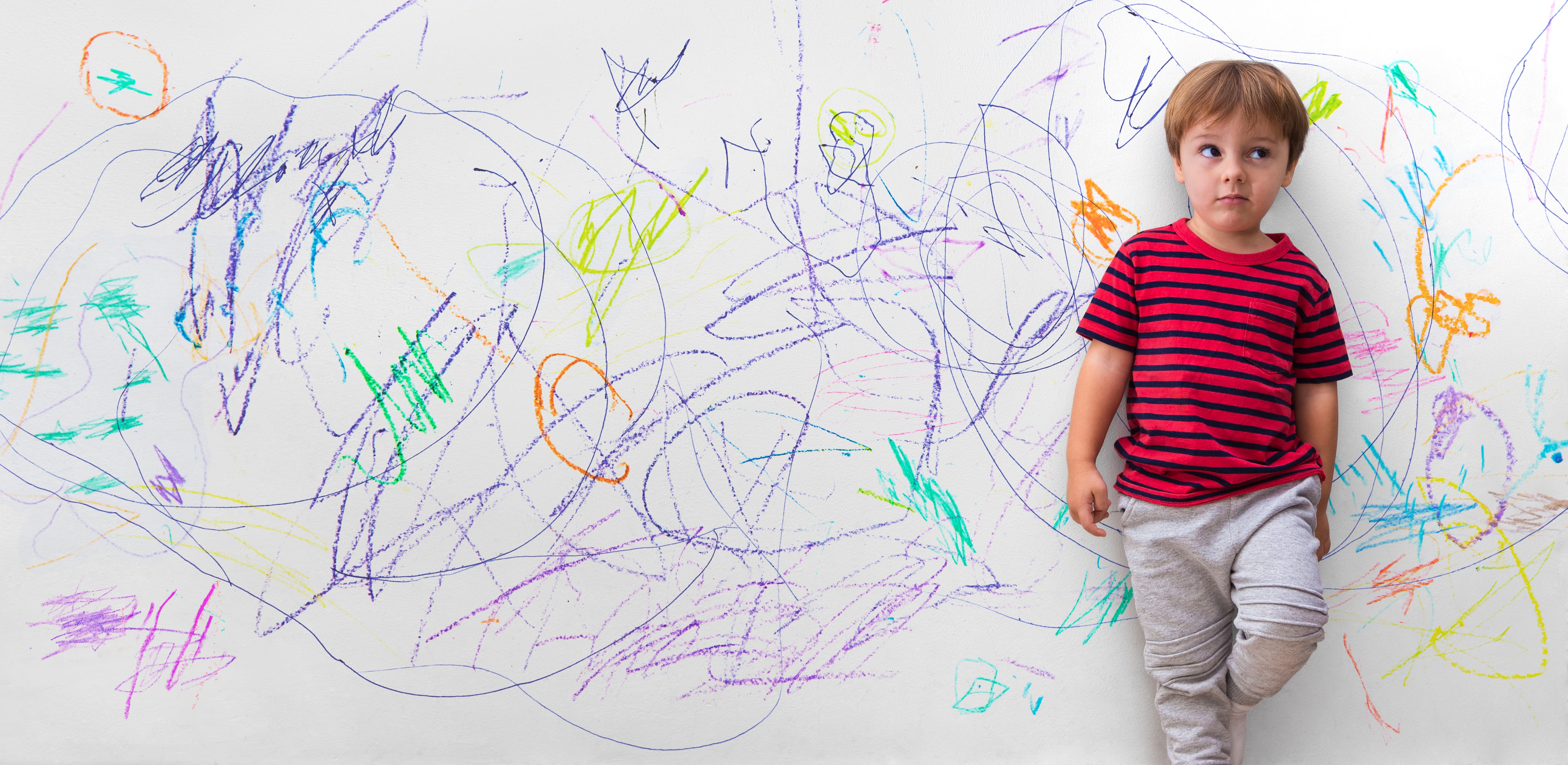

If you are willing to put in the work, the reward will be magnificent because the children will change in front of your eyes
Dr A Jean Ayres
What is Dyspraxia?
Dyspraxia (also called developmental coordination disorder, DCD, in many clinical contexts) is a neurodevelopmental condition characterized by difficulty planning, sequencing and executing coordinated motor actions despite normal intellectual ability and opportunity to learn. Children with dyspraxia commonly struggle with gross and fine motor tasks (running, catching, handwriting, dressing), motor planning, timing, and often with everyday participation at school and home.

Ideation
This refers to forming the intention or idea for an action, recognizing the need or goal and forming a mental image of the required action.

Planning
This refers to organizing the sequence, timing, and spatial parameters of the movement including selecting the appropriate muscles, posture, and steps to carry out the idea.

Execution
This refers to carrying out the plan using coordinated motor control and sensory feedback, with adjustments as needed.
Dyspraxia affects around 5% of school-aged children. Around 2% of children are severely affected. Difficulties continue into adolescence and adulthood in most cases. Dyspraxia is a unique type of neurodivergence. People with it will often (but not always) have another diagnosis too. Identifying dyspraxia early is crucial. It means that a person's physical, learning, social, and emotional needs can be well met. This means they have more opportunities to reach their potential.
Dyspraxia is a Neurodevelopmental Condition
Dyspraxia (Developmental Coordination Disorder) frequently co-occurs with other neurodevelopmental and learning differences; most commonly ADHD, specific learning disorders (e.g., dysgraphia, dyslexia), autism spectrum disorder, sensory processing differences, language disorders, and executive‑function weaknesses; often producing a complex profile of motor, attentional, sensory and communication challenges.
- Babies: Poor head control, delayed rolling/sitting, stiff or floppy tone, difficulty bringing hands to midline, weak grasp, trouble coordinating reach-to-grasp, limited spontaneous movement or varied play patterns slow development of self‑feeding or dressing skills.
- Kindergarten: Clumsy, awkward gait; frequent tripping or bumping. Difficulty with fine motor tasks: poor pencil grip, messy coloring, trouble cutting, gluing, or manipulating small classroom tools. Trouble sequencing or imitating actions (hand claps, songs with actions, multi‑step tasks). Slow to learn self‑care routines: dressing, fastening, using utensils, bathroom independence. Avoidance of play that requires motor coordination (ball games, playground equipment). May have speech/articulation differences and fluctuating attention when tasks demand motor control.
- Primary school: Frequent tripping, bumping, poor ball skills, messy, slow handwriting; trouble with cutting, buttoning, tying shoelaces. Difficulty with planning, packing bags, managing time and materials. Fatigue and avoidance: tires easily during motor tasks and may avoid crafts, PE, or playground play. Speech and literacy impact: unclear articulation, slow letter formation, or challenges with spelling that relate to motor planning.
- Motor tasks: poor handwriting speed/legibility, slow or effortful typing, clumsy sports performance, difficulty with driving precursors (pedal/clutch coordination), bike riding or complex team games.
- Self‑care & independence: trouble with fasteners, shoe-tying, cooking, laundry, time‑efficient dressing.
- Executive skills: slow initiation, poor organisation and time management, difficulty breaking multi‑step tasks into parts.
- Sensory & regulation: continued proprioceptive/vestibular or tactile differences; may use heavy work or movement seeking to regulate.
- Social/emotional impact: low confidence, anxiety, avoidance of physical activities, peer teasing, fatigue, risk of low self‑esteem or depression.
- Academic effects: impaired note‑taking, written exams, poor speed on timed tasks, difficulty with practical subjects (PE, tech, art).
Assessments
Standardised tests includeMovement ABC 3rd Edition; Peabody Developmental Motor Scales; Movement Assessment Battery for Children–Third Edition; Bruininks‑Oseretsky Test of Motor Proficiency‑Second Edition; Miller Function & Participation Scales.
Assessments
Developmental Test of Visual Perception; Beery Visual‑Motor Integration; Sensory Integration and Praxis Tests and Developmental Coordination Disorder Questionnaire.
Dyspraxia - A Sensory Integration Perspective
Sensory integration (SI) theory, originally developed by A. Jean Ayres, views motor planning and skilled action as emerging from the brain’s ability to register, organize and use sensory information (proprioceptive, vestibular, tactile, visual, auditory and interoceptive). From a sensory integration lens, dyspraxia reflects not only motor planning deficits but also difficulties in processing and integrating sensory input needed to form, adapt and execute motor plans. In other words, if sensory registration, modulation, or body schema are impaired, creating coordinated, adaptive actions becomes much harder.
Motor planning & coordination
- Appears clumsy; frequent tripping, bumping or falling
- Difficulty learning new motor skills (riding a bike, skipping, swimming)
- Poor timing/sequencing of multi-step movements
Fine motor & hand skills
- Messy, slow, or immature pencil grip; poor handwriting (illegible, slow, inconsistent size)
- Difficulty with fasteners, buttons, zippers, shoe-tying
- Trouble with scissors, drawing shapes, puzzles, bead-stringing
Gross motor & posture
- Weak balance and poor postural control (wobbly standing, difficulty on balance beams)
- Difficulty throwing/catching, hopping, or coordinating both sides of the body
- Tired quickly during physical play
Praxis (ideation, planning, execution)
- Difficulty planning how to do tasks (doesn’t know where to start)
- Trouble imitating or sequencing actions on request (e.g., copy novel movement)
- Performs differently in familiar vs novel tasks
Sensory & body awareness
- Poor body awareness (bumps into people/objects, misjudges space)
- Variable force grading (breaks crayons or writes too lightly)
- May seek heavy work (crashing, rough play) or avoid certain textures/movements
Speech/oral‑motor (in some children)
- Difficulty with feeding skills, chewing, or oral motor sequencing
- Speech coordination issues in some cases (not universal)
Attention, executive & academic effects
- Slow to start tasks, disorganised sequencing, poor time management
- Struggles with tasks requiring fine motor speed (copying from board, timed tests)
- Avoidance of motor-heavy classroom activities
Emotional & social signs
- Low confidence, anxiety about physical tasks, withdrawal from PE or play
- Frustration, meltdowns or low self-esteem related to repeated failures
Age-related indicators
- Preschool: delays in crawling/standing, difficulty with self‑care, awkward play.
- School-age: persistent handwriting problems, poor participation in sports, struggles with classroom motor demands.
See Our Services
Get in touch at info@therapaeds.com.hk to learn more or discuss how we can support you or your child.