Parents & Families
.jpg)
Partnering with Parents and Families Every Step of The Journey

.jpg)
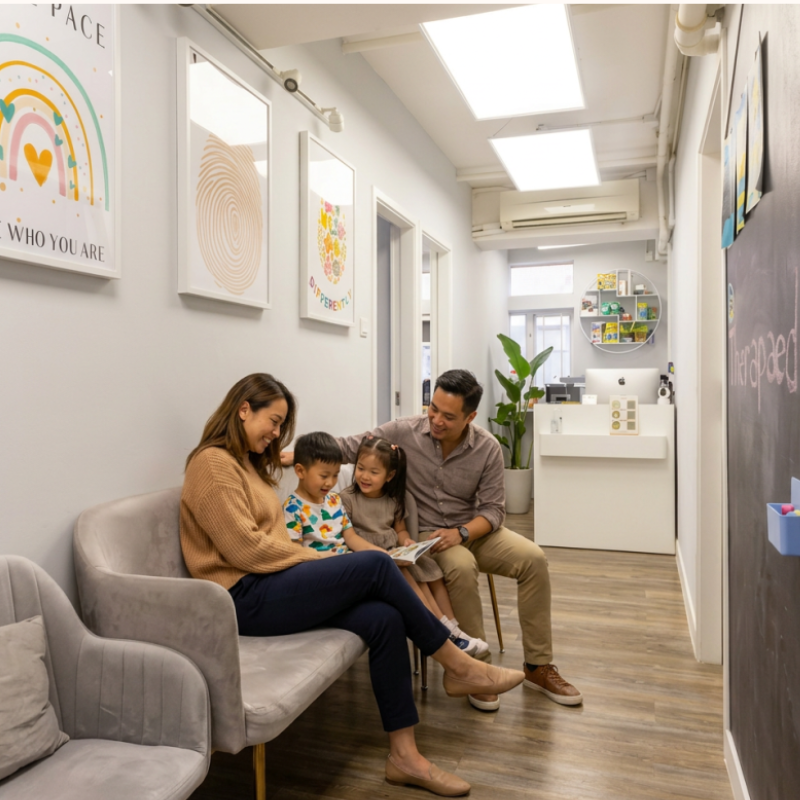
We are a family‑centred practice because meaningful, lasting change happens when therapy is built around the people who know the child best. We partner with families at every step—listening to priorities, co‑setting goals, and teaching practical strategies that fit daily routines—so interventions are relevant, sustainable and empowering. By coaching caregivers, working with schools, and adapting plans to each family’s culture and context, we ensure gains transfer across home, school and community. This collaborative approach honours family expertise, increases participation and independence for the child, and delivers outcomes that matter most to your family.
1. Home based individual therapy sessions
Bring therapy into your child’s natural environment. Our home sessions target regulation, social‑emotional capacities and everyday goals—dressing, self‑care, play, feeding and school readiness—using child‑led, evidence‑based strategies. We evaluate the home context, involve caregivers, and coach in real time so therapeutic activities are embedded into daily routines and gain transfer to family life. Sibling and whole‑family sessions are available to maximise support, broaden caregiver perspective, and promote meaningful, sustainable change.
Benefits of Home Based Paediatric Occupational Therapy
Therapy occurs where skills are used (mealtimes, dressing, play), so goals and activities directly map to real‑life routines.
Activities are embedded in meaningful family routines and interests, boosting child participation.
Skills practised in the natural environment transfer more readily to daily life than clinic‑only practice.
Therapists observe real environmental barriers and supports (furniture, routines, sensory triggers) that impact function.
Caregivers learn strategies in‑the‑moment, increasing parent confidence and consistency of intervention.
Home visits reveal broader factors (sleep, family dynamics, household schedule) affecting progress.
Therapists can recommend immediate, environmental modifications and assistive solutions tailored to the home.
Whole‑family sessions support generalisation, sibling interactions and consistent routines.
Eliminates travel barriers, reduces child anxiety, and can increase attendance and engagement.
Intensive, context‑specific practice and caregiver implementation often accelerate progress.
Therapy occurs where skills are used (mealtimes, dressing, play), so goals and activities directly map to real‑life routines.
Activities are embedded in meaningful family routines and interests, boosting child participation.
Skills practised in the natural environment transfer more readily to daily life than clinic‑only practice.
Therapists observe real environmental barriers and supports (furniture, routines, sensory triggers) that impact function.
Caregivers learn strategies in‑the‑moment, increasing parent confidence and consistency of intervention.
Home visits reveal broader factors (sleep, family dynamics, household schedule) affecting progress.
Therapists can recommend immediate, environmental modifications and assistive solutions tailored to the home.
Whole‑family sessions support generalisation, sibling interactions and consistent routines.
Eliminates travel barriers, reduces child anxiety, and can increase attendance and engagement.
Intensive, context‑specific practice and caregiver implementation often accelerate progress.
2. Parent Coaching Sessions
Empowerment through partnership. These one‑to‑one coaching sessions teach practical strategies, routines and simple activity plans that parents can use confidently between therapy visits. Sessions are collaborative and goal‑driven, covering behaviour support, sensory regulation, task analysis, handwriting and school‑based strategies, with progress reviews and tailored resources.
DIR Floortime Parent Coaching
Support your child’s emotional and developmental growth through relationship based, play centred coaching for families. Our DIR/Floortime parent coaching helps caregivers build deeper connection, follow their child’s lead, and use everyday interactions to expand attention, communication and thinking — from engagement and shared attention to emotional regulation and symbolic play.
It is highly beneficial for families of children with neurodevelopmental differences, social emotional delays, or regulation challenges seeking a strengths based, relationship focused approach.
- Teaching practical DIR/Floortime strategies you can use at home and in daily routines.
- Model playful, developmentally guided interactions and coach you to lead therapeutic moments confidently.
- Help you identify your child’s individual differences (sensory, motor, processing) and adapt pacing, intensity and environment.
- Set clear, functional goals and track progress with measurable steps.
- You are empowered through relationship and neuroscience backed tools to make a lifelong impact in your child’s developmental journey.
- Stronger parent–child connection and more joyful interactions.
- Improved engagement, communication and social reciprocity.
- Practical tools to reduce meltdowns and increase cooperative behaviour.
- Skills that generalise across home, school and community settings.
3. Intensive Therapy Model
Accelerated, focused progress when concentrated input is needed. Our intensive therapy blocks deliver frequent, goal‑focused sessions over a short period (6-8 weeks) to jumpstart regulation, consolidate skills, or prepare for a transition (e.g., school start). Each intensive plan is individualized, evidence‑based and includes caregiver training to support generalisation and maintenance. The intensive therapy takes place at our sensory motor clinic with parent involvement throughout the process.

4. Thoughtful Home Design for Neurodiverse Kids
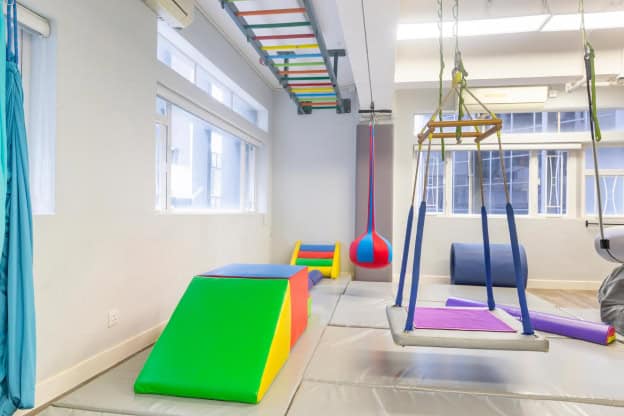
We partner with your interior designer and contractor to create purposeful, evidence‑informed sensory spaces that support regulation, development and participation. Our sensory room design service blends clinical occupational‑therapy expertise with practical design to deliver engaging, multisensory environments for schools, clinics, workplaces and homes.
The service includes a clinical needs assessment, a prioritised action plan and caregiver training. Please get in touch to discuss transforming your home space into an evidence‑based sensory environment that supports your child’s development.
We’d Love to Hear From You
If you have a question or would like to know more about working with us, please fill out the form here. Once you have submitted a message to us, a member of our team will be in touch with the next steps.