Adults

Adult Sensory Integration Service

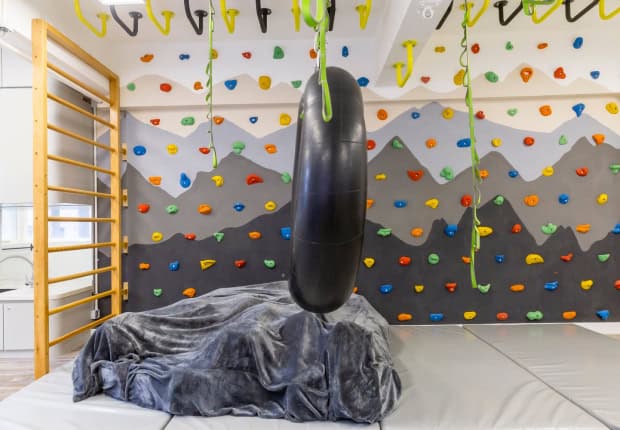
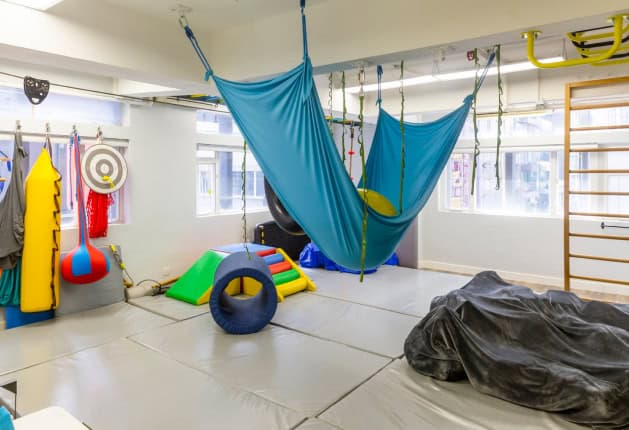
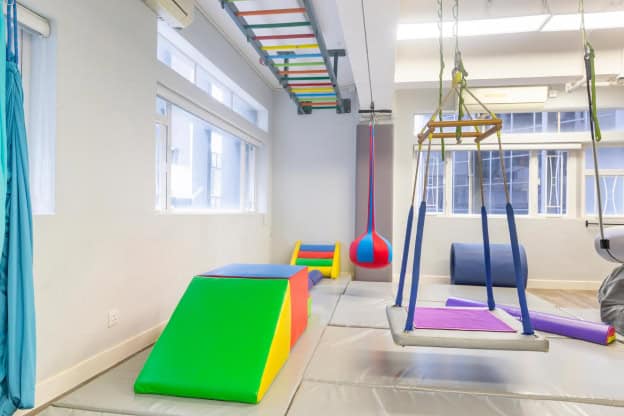
At Therapaeds, our adult sensory integration service helps individuals understand and manage their sensory needs so they can participate confidently in daily life. Grounded in neuroscience and evidence‑informed practice, we offer personalised assessments and occupation‑based interventions—including sensory lifestyle, environmental adaptations, vestibular and proprioceptive programs, auditory programs and self‑management strategies—to improve regulation, attention, balance and functional independence. We support adults across a range of presentations (autism, anxiety, chronic pain, trauma‑related sensory dysregulation and age‑related decline) using a trauma‑informed, collaborative approach that prioritises choice and safety.
Work with a qualified occupational therapist to develop practical, sustainable strategies tailored to your goals and daily routines. Contact us to arrange an assessment or learn more about how sensory‑focused therapy can help you thrive.
Adults can experience sensory processing differences that affect regulation, attention, movement, emotion and participation across home, work and social life. These challenges may be lifelong e.g., neurodevelopmental or emerge after injury, illness, stress or ageing.
Common presentations by differences in the sensory domain:
- Auditory: hypersensitivity to background noise, difficulty filtering sounds in open offices or social settings, overload in busy environments.
- Visual: sensitivity to bright/fluorescent lights, visual clutter causing distraction, trouble with complex visual scenes (e.g., crowded screens or stores).
- Tactile: touch defensiveness (discomfort with certain fabrics, handshakes), difficulty with grooming or personal care, aversion to certain textures.
- Proprioceptive: poor body awareness leading to awkward posture, clumsiness, difficulty with fine motor tasks or regulating activity levels.
- Vestibular: dizziness, motion intolerance (e.g., on escalators, in cars), balance difficulties, avoidance of movement activities.
- Interoception: poor recognition of internal states (hunger, thirst, pain, anxiety), leading to missed cues or difficulty self‑regulating.
Functional contexts and impacts of the sensory processing challenges include:
- Workplace: reduced concentration in open‑plan offices, difficulty tolerating meetings or commutes, fatigue from sensory overload, decreased productivity.
- Home routines: challenges with meal preparation, household tasks, personal care, or parenting when regulation is disrupted.
- Social participation: anxiety in crowded venues, avoidance of social touch, difficulty following group conversations or social cues.
- Mobility and safety: balance problems increase fall risk; poor body awareness affects driving or navigating crowded spaces.
- Mental health and wellbeing: sensory overload can exacerbate anxiety, panic, irritability, sleep disturbance and chronic stress or pain.
- Over‑reactive responses: agitation, irritability, withdrawal, covering ears/eyes, shutdown.
- Under‑responsive/low registration: slow to notice sensory input, appearing “spacey,” reduced responsiveness to danger cues.
- Sensory‑seeking behaviours: fidgeting, heavy work, seeking tight hugs or vigorous movement to self‑regulate.
- Fatigue and reduced tolerance: needing long recovery after busy days, naps, or avoidance patterns.
- Functional avoidance and reduced participation: choosing quieter jobs, restricted social life, reduced exercise.
1. Adult Sensory Integration Assesment
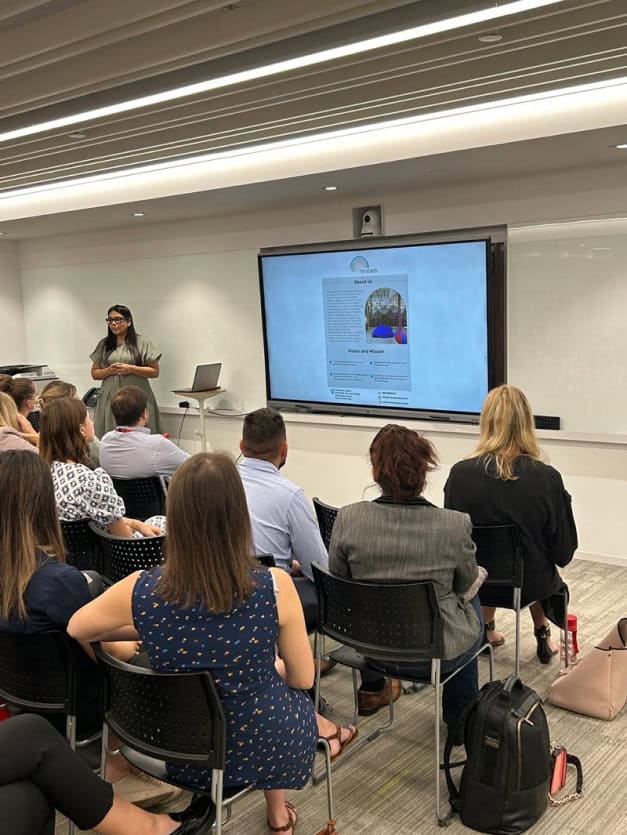
Our 90‑minute Adult Sensory Integration Assessment is a comprehensive, occupation‑based evaluation designed to identify how sensory processing affects your daily functioning, regulation and participation at home, work and in the community.
This is suitable for adults experiencing sensory overload, under‑responsiveness, balance/vestibular issues, post‑injury sensory changes, workplace intolerance, anxiety linked to sensory triggers, or lifelong sensory differences (including autistic adults).
Contact us to discuss suitability, availability and next steps. Our therapists will tailor the assessment to your goals and ensure practical, evidence‑informed recommendations to support meaningful change.
2. Safe and sound protocol
At Therapaeds, we offer the Safe & Sound Protocol (SSP); a professionally delivered, auditory‑based intervention rooted in polyvagal principles to support regulation, stress resilience, and social engagement in adults. Safe and Sound Protocol uses specially filtered, professionally curated music delivered in a safe, monitored series of sessions to gently calm the nervous system and improve capacity for connection, focus, and emotional regulation.
When the nervous system is in defense mode, everyday sounds including human voices can be misinterpreted as threats. This auditory hypersensitivity makes communication and social engagement difficult, and can lead to isolation.
The SSP is designed to gently shift this auditory processing pattern. Its specially filtered music emphasizes the middle frequencies of the human voice. SSP helps to retrain the ear and brain to interpret sounds more accurately, fostering a state of regulation, connection, and readiness for social engagement.
This program is suitable for adults experiencing anxiety, hyper‑arousal, sensory‑overwhelm, or difficulty with social engagement and for people seeking a non‑invasive, adjunctive regulation strategy alongside therapy.
3. On‑Site Visits for Adults with Sensory Differences
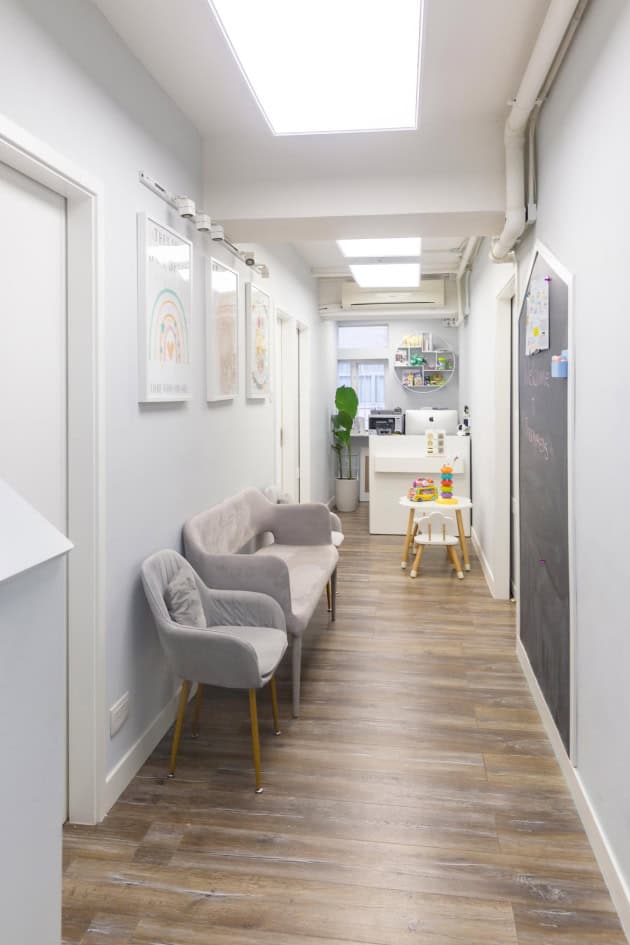
Our on‑site modification service provides practical, personalised changes to your home or workplace to reduce sensory overload, support regulation, and enable easier participation in daily life.
What we do:
Observe routines,workstations, transit routes and daily tasks to identify sensory triggers andbarriers.
Assess auditory, visual, tactile, proprioceptive, vestibular and interoceptive demands in the real setting.
Co‑create simple, feasible strategies with you (and employer/household members where appropriate).
Implement or recommend adjustments such as lighting, acoustics, furniture/ergonomics, visual organisation, task sequencing, breaks and sensory tool placement.
Teach self‑management techniques, use of sensory tools, and environmental routines to support sustained change.
Provide a concise summary with photos, prioritised recommendations, and an implementation checklist.
We’d Love to Hear From You
If you have a question or would like to know more about working with us, please fill out the form here. Once you have submitted a message to us, a member of our team will be in touch with the next steps.